


Veteran American journalist Anderson Cooper has officially announced his exit from the iconic news program 60 Minutes, bringing an end to a professional relationship that lasted nearly two decades. The news has generated widespread attention across the media landscape, as Cooper has long been considered one of the most respected faces in broadcast journalism.
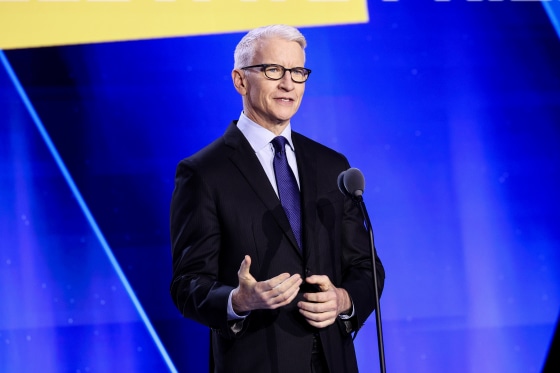
After almost 20 years of reporting for 60 Minutes, Anderson Cooper’s departure signals a major transition not only for the show but also for viewers who have followed his work for years. His exit marks the close of a significant chapter in modern television news.
A Historic Run With 60 Minutes
Anderson Cooper joined 60 Minutes in the mid-2000s and quickly established himself as one of the program’s most trusted correspondents. Over the years, he reported on a wide range of stories, including political investigations, international conflicts, humanitarian crises, and powerful human-interest features.
His reporting style calm, direct, and empathetic helped audiences better understand complex global issues. Cooper’s ability to ask tough questions while maintaining compassion set him apart and contributed significantly to the show’s credibility and long-standing success.
Why Anderson Cooper Is Leaving 60 Minutes
Although Anderson Cooper has not cited a single defining reason for his exit, industry sources suggest the decision was carefully considered and professionally amicable. After nearly 20 years with the program, Cooper is believed to be shifting focus toward other long-term projects within journalism and media.
There have been no reports of internal conflict or controversy surrounding his departure. Instead, the move appears to be part of a natural career evolution for a journalist who has already achieved remarkable milestones.
Anderson Cooper’s Career Beyond 60 Minutes
Outside of 60 Minutes, Anderson Cooper is widely recognized as the anchor of CNN’s long-running news show Anderson Cooper 360°. Through this role, he has covered some of the most significant events of the 21st century, including natural disasters, wars, political developments, and major breaking news stories.
Cooper’s field reporting during moments of crisis earned him global recognition for courage and journalistic integrity. His work has been honored with numerous awards, reinforcing his reputation as one of the most reliable voices in American media.
Reaction From the Media Industry and Viewers
Following the announcement, journalists, media professionals, and fans shared tributes highlighting Cooper’s contribution to 60 Minutes. Many praised his professionalism, storytelling ability, and commitment to factual reporting.
Media analysts have described his exit as a notable moment for the program, emphasizing that replacing a correspondent of Cooper’s experience and credibility will be a challenge. Viewers have also expressed appreciation for his years of service and curiosity about what direction the show will take next.
What’s Next for Anderson Cooper?
While Anderson Cooper has not officially announced his next move, he is expected to remain active in journalism. Whether through continued work at CNN, documentary-style reporting, or new media ventures, his experience ensures that he will continue to play a major role in the news industry.
His exit from 60 Minutes does not indicate retirement but rather a shift toward new professional opportunities.
A Significant Chapter Comes to a Close
Anderson Cooper’s departure from 60 Minutes represents the end of an important era in television journalism. Over nearly two decades, he helped shape the program’s identity and maintained its reputation for trusted, in-depth reporting.
As audiences reflect on his contributions, one thing is clear: Anderson Cooper’s influence extends far beyond a single news program. While his journey with 60 Minutes has ended, his impact on journalism will continue for years to come.